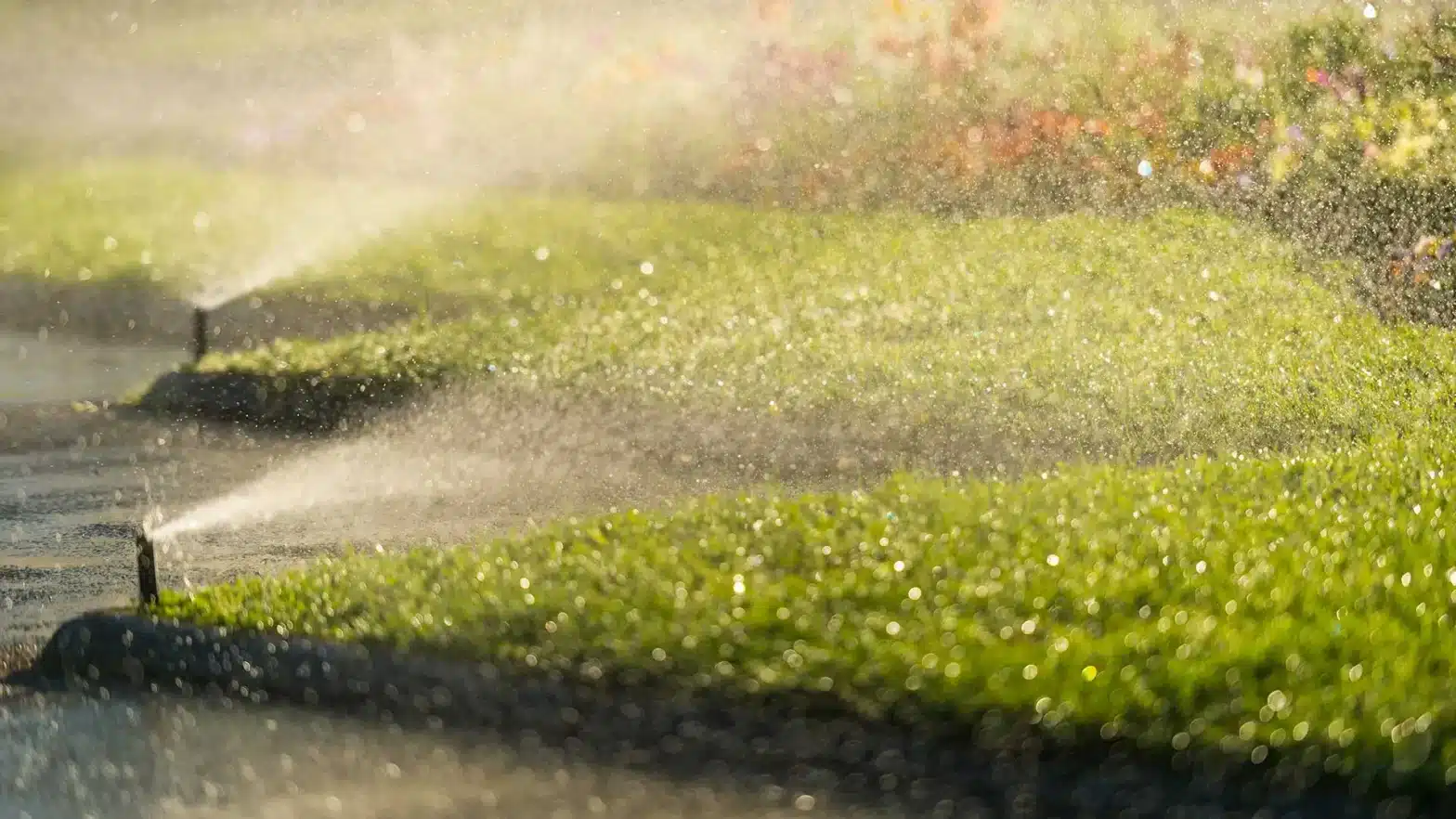
Why the grass turns brown in the fall

Typically, in Central Texas we have a southern variety of turf which may be Bermuda, Zoysia, or St. Augustine. We are located far enough north for the grass to go dormant for the winter, which is why it turns brown in the fall as the temperatures cool. The shorter sunlight time and the cooler soil temperatures is what starts the process of the turf shutting down. There is nothing wrong with the lawn and it’s still alive, it will require a small amount of water throughout the winter.

The good thing about this is that maintenance and water requirements are very low. Mowing can be performed on a monthly basis to keep it clean, and it will only need to be irrigated once per week or once every two weeks depending on the amount of rainfall.

One of the negative aspects to dormancy is that the lawn will not recover until it starts to grow again in the spring. If there is damage from construction, wildlife, or disease it could be sometime before it will look good again. It is important to pay attention to how much traffic is on the turf either from dogs running of if you have kids playing. It is a good idea to rotate the areas they run or play in to prevent any damage from happening if possible.

The grass will normally start to green up in March or April and everything will return to normal. If you need more information, please watch this video:

Fall and Winter Cut Backs

With the winter season approaching the cooler weather can bring on changes for your planting beds. Here are some tips and timeframes for cutting back your plant material.

In October and November, with the first freeze of the season, you will begin to see the deciduous plants start to die back. The leaves and blooms will brown and wither. This is the time to begin cutting back these leaves and branches to clean up the plant. All of the new growth for these plants will begin at the base and grow out with new leaves and blooms in the spring time.

Starting in January, it is the best time to begin trimming grass plants. Once trimmed, the grass plants take on a ball-like shape for the winter and remain this way until spring. This helps clean up the plant and allow for space for all the new growth to emerge from the ball of the plant.

January is the best time to cut back roses. Cutting them earlier than this could promote growth before hard freeze and this could damage the plant. And cutting too close to the spring could lead to trimming off new growth that has just grown.

The Importance of the Summertime Pre-Emergent

Even though it may not seem like it, September is the time to prepare your lawn for weed prevention in the winter and spring. Weeds typically are triggered to germinate by soil temperature and as we head into October our nightly temperatures are dropping along with our soil temperatures. This will start the winter weed germination and these are the ones that really cause all the issues from February through April.

The goal is to apply a pre-emergent before they start to germinate and get in control of most of the weeds before they ever emerge from the soil. If this small window to apply the product is missed, then there could be a weed outbreak that you would see starting either December or January. There are different types of products that can be applied and it’s a good idea to rotate them to prevent resistant issues. For a very effective application, a split application may be applied with the first one in September and the second one in November or December depending on the product.

There will always be break through and it’s best to have a post application product on hand. Always follow the label rates and watering instructions when applying.

Good luck with the rest of the year!

Which Fertilizer to use in the Summer

Your turf will need to be fed throughout the growing season and the type of nutrients that are needed will change as we go through spring summer and fall. It is always best to use a slow-release fertilizer, something that will provide nutrients for 6 to 8 weeks. Using a quick release, can cause a good amount of waste and will either leach through the soil or runoff into a lake or stream. Regardless of the variety of turf, it can only take in a certain amount of nutrients at a time.

In this article we will just cover the southern turf requirements and the macro nutrients, micronutrients are very dependent on what your soil actually needs and this varies greatly across the country. The three numbers on fertilizer bag represent a percentage of Nitrogen – Phosphorus – Potassium.

  • Nitrogen is needed more in the spring and early summer and helps in shoot and root growth along with providing a dense canopy.
  • Phosphorus is needed for root growth and depending on your soil type, there may be enough in the soil without having to add any.
  • Potassium is going to help with drought and cold tolerance. It will also aid in reducing disease pressure.

The amount of Nitrogen needed at each application is dependent on the soil and turf variety. Typically, you will want to have a higher Nitrogen application in the spring to help get the turf growing out of dormancy and helping with any recovery from the cold. As we get into the heat of the summer, we want to reduce the amount used. Nitrogen causes growth which uses other resources and can be detrimental when under heat stress. In the fall we are wanting the turf to store nutrients for the winter to reduce cold stress.

Phosphorus and Potassium will be needed more in the late summer and fall months. This will help build the density and overall health of the root system. A deep heathy root system will help with heat stress and prepare the turf for winter dormancy. It is still needed in the spring and a soil test will help let you know the amount needed. It is important to not over fertilize and cause any water pollution.

It is always best to apply any fertilizer at a lower rate and more frequent if needed in the heat of the summer. We don’t want our turf needing more water due to a high rate of growth. Water restrictions are making it difficult to provide enough water as it is.

Rain vs Irrigation Water for your Lawn

Have you ever noticed that your lawn greens up when it rains and never happens when you run your irrigation system?

Here is what is great about rainwater:

  • It is free of most impurities and minerals. When water evaporates the minerals, and any impurities are left behind. Generally, anything in the water was collected in the atmosphere.
  • The pH of rain ranges from 5 -6 which is acidic. This is very beneficial to our soil. Here in Central Texas our soils are normally alkaline, ranging from 7 – 9. When our soils are high in pH, the nutrients will get tied up since the sodium level are also high. This means that the nutrients that are in the soil are not available to the plants. When the rain falls with an acidic pH, it will release all these ties up nutrients. The plants will take this in immediately and appears to really wake up after the rain.
  • When there are heavy rainfalls coupled with the low pH, it will flush out the toxins in the soil (sodium) and provide a healthier soil ecosystem.

Here is the scoop on your irrigation water:

  • If you are using city water, it typically comes from a well or lake. Our ground water will most likely have a higher pH than desired along with impurities. Products used when treating the water for human consumption is not necessarily good for the soil. It will build up in the soil profile and create an unhealthy environment for microbes which are important to having healthy plants.
  • When we have long periods of no rainfall which is typically when we need it most in the summer, we are relying on the irrigation to cover the needs of all of our plants. Irrigation really is best when supplementing rainfall for just a short period of time. It is not beneficial to replace it. Our soil can become hydrophobic in these situations which means it will repel water. This problem is a whole other topic.

These are some of the reasons why the rain is very beneficial for our plants and our irrigation does not have the same effect. There are ways to help our soil if we can’t get enough rain when needed. That will be covered next month.

Current Plant Situation from the Freeze

If you have tried buying plants around Austin this spring, you probably noticed that most nurseries do not have what you are looking for and may not even be able to order it. We can thank the February freeze and the new construction for all of this. It has put a very large demand on plants and the growers around Texas were also impacted from the freeze, some severely.

One of the first things we can do is to be patient and place an order with your local nursery knowing that you will not know when the plants will arrive. The sizes we were used to from the previous years are also impacted. A 5-gallon plant that was normally 3’ tall may come in now at 1’. The growers are trying to meet demand while growing the plants to the sizes that are expected for the gallon size. This a big challenge this year and nurseries are ordering plants from all over the southern states which is placing a large strain on their supply as well. It’s not uncommon right now to see a bunch of Texas trailers at the nurseries in California.

Second, we can buy what is available now which means you most likely won’t be able to get the plants you desire or the size. Our project manager may have to visit five different nurseries in one day just to get what they need for one small project. You may be able to find some uncommon plants that you didn’t know about to place in your landscape and be very happy with the results. It’s like trying some random food in a country you have never visited before.

If none of these options will work it may be best to remove all the undesirable plants, clean up and mulch the bed. Waiting until the fall or next spring may be a good option, the supply could be better by that point. One thing to keep in mind, just like everything else is that the prices are rising on the plants. Some are going up at a sharp rate. This is due to the supply issue, higher insurances, fuel cost, and the one driving most of it is labor cost. Labor cost are skyrocketing due to one of the largest shortages we have seen to date. Companies across the nation are having to pay higher wages and most have openings that they can’t fill. As long as this continues, the prices will keep going up.

Please watch this video for more information:

The art of mowing the lawn

Most of the time we mow the grass in our yard to keep it manicured and where we can walk around the yard easily. There are a number of reasons why mowing frequently is very healthy to your lawn and we will cover all of these in this article.

Frequent mowing will help provide a dense canopy which will reduce the weed pressure, shade the soil from the hot sun, lower the required amount of irrigation and fertilizer. Weekly mowing causes the grass plant to produce newer leaves below the mow line vs trying grow vertically and then produce the new leaves.

The general rule is to never cut more than 1/3 of the grass plant at one time to prevent stress on the plant. It requires the leaves to produce energy and removing small amounts at a time does not impact this energy production in a stressful manner. When more is removed, then the plant has to use its resources to recover from the large loss of leaf material. There are times where you may need to raise the mower for the first cut to achieve this, then lower the mower in increments. This can be spaced out a few days apart to allow the grass to recover in-between mowings.

Each type of turf has a preferred mowing height, and the location can determine if you need to keep it at a higher or lower height. Bermuda typically likes to be mowed very low, but for a home lawn 2.5” or lower is ideal. Zoysia, depending on the variety likes to be mowed be-tween 1-3”. St. Augustine prefers to be around the 3-4” height. Buffalo must be kept at 6” plus.

As the summer temperature increase, we want to raise the mowing height to protect the soil and give the plant more leaf surface area to produce energy to tolerate the heat stress. If you have a shady area, then raising the height will also help. By having more leaf material, the grass can capture more sunlight and better tolerate the shade.

You don’t want to overlook having a sharp mowing blade. A dull blade can cause disease issues, uneven cuts, mulching issues, and a terrible looking lawn. If you are mowing your own lawn on a weekly basis, it is a good idea to sharpen your blade monthly. If you are having a professional company maintain your property, then you want to make sure they are doing it daily.


To mulch or not to mulch?

The only time it’s a good idea to bag the clippings is if you are using them to compost. Other than that, it’s always best to mulch them up in the yard. The microbes in the soil will break down the clippings over time and provide nutrients to the turf. The exception is if you are scalping down the grass. Then you will want to bag the clippings.

More information can be found in on our YouTube page.

Benefits of Aeration and Top Dressing

Aeration and top dressing are an essential part of a healthy lawn and is best when performed on a yearly basis. It is normally scheduled during the growing season which is March – October here in the Austin area.

Core Aeration is a mechanical practice of punching holes into the soil and removing plugs. There are four key benefits to performing this:

  • Relieves compaction from the construction of your home or pool, from mowers and foot traffic over time.
  • Allows water and nutrients to move through the soil more easily.
  • Provides a denser root system on the turf which will make for a healthier lawn.
  • The open holes will help incorporate the top dressing material in the soil profile. The cores are left on the lawn to break down with regular mowing and watering

The Benefits of Top Dressing

Top Dressing involves a material being evenly spread across the lawn and the type of material will vary depending on the type of soil and if the lawn needs have uneven areas leveled out. We normally recommend a mix of 33% Dairy Cow compost, 33% Turkey Compost, and 33% Granite sand. This mix gives a great combination of clean compost and sand which will provide a great top dressing material for the type of lawns in Central Texas. The sand will work its way into the lower areas helping to level the lawn and the compost will amend the soil and provide the nutrients needed.

There are 3 key benefits to top dressing the lawn:

  • After the application the microbes in the soil will start to break down the organic matter in the compost and in return provide your lawn with organic fertilizer.
  • The compost will retain more water than what is typically in the soil. When the compost works its way into the aeration holes you will be able to reduce the amount of irrigation that is required.
  • The material will help level out the lawn. Typically, with newer lawns there are many uneven areas, and this will settle to the lower areas level out the uneven spots. This may take several applications to completely level out the lawn.

This process is highly recommended at least once per year and will provide a healthy lawn that will reduce weed pressure, reduce water usage, and really stand out from your neighbors.

Why Pre-Emergent is Important

If you have or are looking to get on a weed control program, then planning your strategy is very important. One of the first items to plan are the pre-emergent applications and timing is everything with this.

The way pre-emergent works is by creating a barrier in the soil where most seeds will germinate or where the newly germinate roots will grow. This barrier will either inhibit further growth or will kill the seedling and will put an end to your future weed problem. The reason timing is important is due when the seeds germinate. This is dictated by the soil temperature.

Typically, your summertime weeds will start to germinate when soil temperatures are consistently in the upper 50’s or higher. Here in Central Texas this is in late February or March. The strategy is to have your product down before the soil reaches these temperatures and the seeds germinate. If you are late on the application, then you will see weeds this summer.

The wintertime weeds will germinate when the soil temperatures start to cool into the 60’s which is normally around October or November. Even though you start to really see these weeds in January through March, they germinated and started growing before Thanksgiving. The application typically needs to go down in September to get the best control.

There are many different types of products to help with preventing weeds. What is important is to rotate the products with different products each year to prevent weed resistance. You want to change the products by Mode of Action. This is the way in which the pre-emerge attacks the weed. There are different brands of product but with the same mode of action, so it’s important to know how each one of them works.

The best way to tackle this is to have a professional company manage your turf. Many states, including Texas require a company to have a pesticide license to apply a product at your property. This will help ensure that the person applying the pre-emergent knows what they are doing.

For more information check this video out on how the service works:

Winter Weeds

Why do we see so many winter weeds in January and February?

The answer is quite simple. We missed the pre-emergent window late last summer. Weed germination is mostly determined by soil temperatures. Once the temperatures start to cool down slightly, (typically in October for Central Texas) the cool season weeds will start to germinate. Most of these are of the broad leaf variety and start off very small down in the soil. You won’t see most of them from October through December since they are down in the canopy of your lawn. Normally once January hits you will start to see a large amount of them in the yard and that is when you decide to do something about it. In reality the time to take action is in September.

Pre-emergent applications have become a great tool in weed management. We can control weeds before they become a problem by creating a barrier in the soil that will kill off any weeds that decide to germinate. This way the problem is dealt with months before you would normally see it. Getting on this type of program will actually help reduce the amount of pesticides that are used during the year since it is harder to control weeds once they reach a mature stage in their life.

The application is pretty simple. Normally a liquid product will be applied to all of the turf on the property with a boom or hose end applicator. It is then watered in to move it into the soil where it will remain for a few months. The products are generally rotated every year with different types of products to help prevent resistant varieties of weeds forming. Timing is crucial for the late summer application and the one for late winter that will control the summertime weeds.

This is a great tool to have in the tool bag for weed management and normally needs a trained professional to apply the product for best results.

Irrigation Winterization

Depending on where you are located, winterizing your irrigation system for the winter months might be something that you need to consider in order to protect the system and the components from freezing temperatures. Here in Austin and the surrounding areas it is not recommended to turn off the irrigation due to several factors.

  • The plants and turf still require water throughout the winter even if they are dormant. Our winters can be mild, and we don’t always get the needed rain. Certain types of plants still grow in the cold and they in turn need the resources to keep them alive.
  • Being able to water your turf and plants before a hard freeze can help them survive. The moisture in the ground helps insulate the roots just like a blanket and keeps the temperature a few degrees warmer.
  • Our temperatures do not stay cold enough for long enough to freeze pipes underground.

There is one exception if you have an RPZ backflow device. These will be the only time that you should have irrigation running above ground and they typically look like a brass fixture that has two pipes running into the ground. These can freeze and need to be drained before a hard freeze. You will typically have these if you have a septic system on your property.

Here is a video on how to drain this type of backflow:

Summer Lawn Care Tips

Summer lawn care can be a task for most homeowners. With limited time due to your job, time spent family and friends or not wanting to work during the hotter times of the day, there are certain steps you can take to make having a beautiful summer lawn easier in the Texas heat.

Summer lawn care believes it or not starts in the spring. This is when you will want to check your lawn equipment for efficiency. Sharpening blades, changing the oil, and refreshing your gasoline are all essential for a headache-free summer.

A consistent weed control program can help minimize the weed populations and reduce the number of times you will have to mow. Weeds are opportunistic and generally grow in any areas that are thin or thinning and also grow faster than any turf. With weeds present in your lawn, mowing more often is necessary to keep an even cut lawn. A pre-emergent application in the spring with help minimize weed growth throughout the summer months. After the pre-emerge application, spot treatment of existing weeds as well as any that may break through the pre-emergent barrier may be necessary for a weed-free lawn.

Along with the pre-emergent application, fertilization of your turf is key to a full, healthy summer lawn. There are different fertilizer requirements for different turf types. Generally fertilizing 2 times in the summer months is sufficient. You will want to fertilize once going into summer and once in the middle to late summer.

Irrigation is another step to a great summer lawn. You will need to adjust your irrigation from spring to summer. More water will be necessary for a healthy lawn due to the diminishing rain totals/chances and the hotter temps. Watering for longer run times per zone and fewer times throughout the week helps promote deeper root growth. This, in turn, helps your turf deal with heat/drought stress throughout the summer.

To help your lawn with optimizing water usage, aerifying and topdressing is highly recommended at least once every growing season. Aeration helps with compacted soils as well as water percolation through the soil profile. Topdressing behind the aerification amends your soil with a blended compost to give your turf a good nutrient-rich soil growing medium. Sand is also used in this process. Sand helps more with drainage and leveling than the nutrients content.

As your turf is growing at the beginning of the summer, it can be tempting to cut it as short as possible to reduce the number of times you have to mow. In the hot months of Texas summers, this is not a great idea. The optimal mowing height for Bermuda grass, especially in the summer is 2 to 2.5 inches. For St. Augustine in the summer, the optimal height is 2.5 to 4 inches. These heights help develop longer roots and shade the soil from heat.

Following these tips will help you keep your lawn beautiful and healthy in the Texas summer.

What to Look for in a Lawn Mowing Service

There are a number of companies, neighbors, and one-man operations that can provide mowing services in the area, but there are a number of items to look for and questions to ask when hiring your lawn care provider.

It is very important that the company has the proper insurance and any license that is required in the state to operate. This will protect you and your property from any legal issues that could arise. A professional company will have your service on a set day during the week and will notify you if there are any changes and when your service would be re-scheduled. A common complaint in the industry is communication. If the company is easy to talk to either by phone or e-mail, that is a good sign that they will be responsive to any questions or concerns that you might have during your relationship with them. You want to make sure that the crews are in uniforms and the trucks are marked with the company logo. This way you will know who is on your property and your neighbors will also not be alarmed by any employees moving around the area. Find a company that accepts credit cards. You never want to leave money on the front porch and is much safer than sending checks through the mail. A professional company should be able to set up auto payments so this can be taken off your hands completely. Ask the company that you are looking to hire what the process is if you have an issue, how they handle it, how quickly it’s resolved, and how to avoid it in the future. There will be accidents that happen at some point, it’s about how the company moves forward that counts.

A reputable company is going to be there for you each and every season. They will make sure that you are satisfied with the service and will take care of any issues in a timely fashion.